
Video for Franchise and Multi-Site Networks: How to Keep the Brand Consistent and Still Feel Local

If you run marketing for a franchise group, a retail network or any business with dozens of sites, you know the tension. Head office wants every location to look and sound like the same brand. Each location wants content that feels like it belongs to their suburb, their team and their customers. Most video programs pick one side and lose the other.
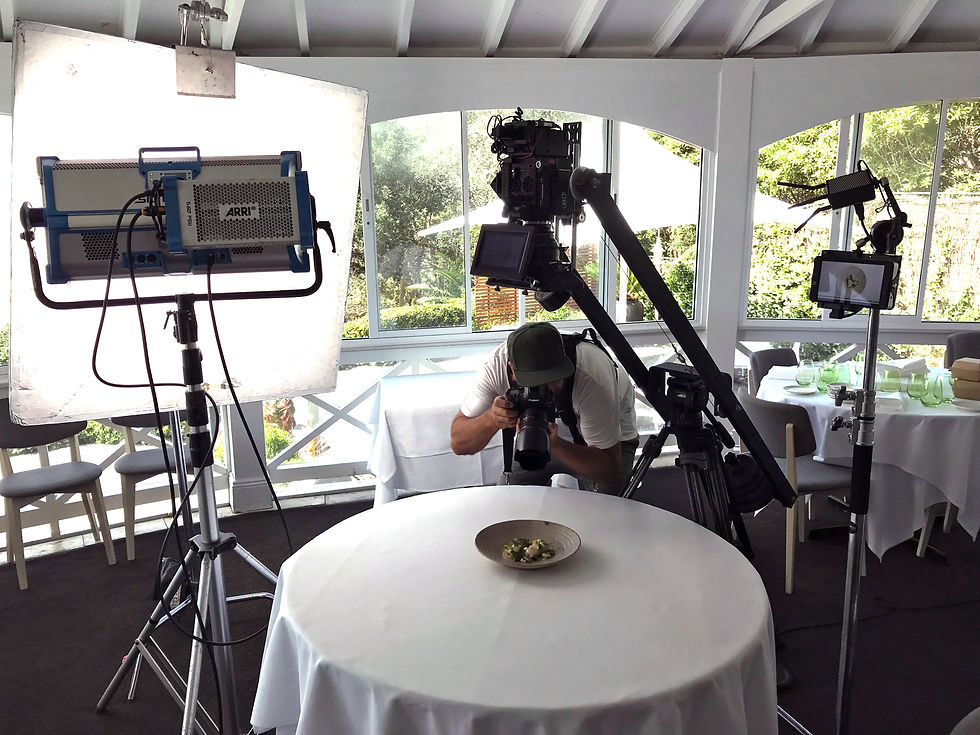
After more than 18 years producing brand video, corporate video and animation from our Sydney studio, we have seen that the answer is not choosing between consistent and local. It is designing the production so both are built in from the first day of planning. This guide explains how.
Why does one national video usually underperform at the local level?
A single national video solves the budget problem but rarely converts as well locally, because customers can tell it was not made for them. A spot filmed at the flagship store, with head office staff, feels generic to someone walking past a site in Parramatta or Newcastle.
The opposite approach fails too. When every franchisee commissions their own video, you get mismatched colours, off-brand music, outdated logos and messages that contradict national campaigns. The brand slowly fragments, and nobody notices until a customer sees three versions side by side.
The fix is a structured system: one set of locked brand elements, and a clear list of what each location is allowed to change.
What should head office produce centrally?
Head office should produce the assets that carry the brand promise and are expensive to get right: the hero brand video, the animation system and the core photography library. These are the pieces that need a proper crew, creative direction and a single point of approval.
A strong central package usually includes:
A hero brand video of 60 to 90 seconds that explains who you are and why customers choose you.
Cut-downs for paid social, including 6, 15 and 30 second pre-roll versions in vertical and horizontal formats.
An animated graphics package: logo sting, lower thirds, end cards, offer frames and transitions, built in 2D animation so they can be reused for years.
A photography library covering products, interiors, staff and lifestyle moments, shot to a consistent grade.
An approved music bed with licensing that covers every location and every channel.
That last point matters more than most teams expect. Music licensed for "brand use" often does not cover franchisees posting on their own social accounts. Confirm the licence terms cover the whole network before anything goes out.
How do you make video feel local without reshooting everything?
You make video feel local by designing modular slots into the master edit. The structure, graphics and brand message stay locked, while specific segments are swapped for each location.
Typical swappable elements include:
The location name, address and map frame
The local offer or opening hours
A short segment of the local team or owner
Exterior footage of the actual site
A regional voice-over tag or on-screen line
When the master edit is planned this way, adding a new location becomes a small, predictable job rather than a new production. In our experience, a well-planned modular edit can produce location versions for a fraction of the cost of the original, often a few hundred dollars per version in the edit suite once the local footage exists.

Should you send a crew to every site?
Usually not. Sending a full crew to every location is the most expensive option and is rarely necessary. A better model is to film efficiently in batches and fill the gaps with smaller, planned local capture.
Here is how we would normally approach a network:
Batch shoots by region
Group locations geographically and film several in one or two days. A Sydney metro run might cover four to six sites in a day if the shot list is tight and each site only needs exteriors, a team moment and a few product or service shots. For reference, a three-person Sydney crew typically runs between $3,000 and $5,000 per day, so batching dramatically lowers the cost per location.
Give franchisees a capture guide
For sites you cannot reach, provide a simple one-page guide: which shots to capture, which way to hold the phone, what light to avoid and what to leave out. Good phone footage dropped into a professionally built template looks far better than a fully amateur video.
Reserve full shoots for flagship stories
Save bigger productions for moments that justify them, such as a new store format, a case study video with a standout franchisee, or a testimonial video from a long-standing customer.
What content do franchisees actually use?
Franchisees use content that is ready to post, clearly labelled and easy to find. If they have to request files, rename them or crop them, they will make their own instead.
The most used assets across multi-site networks tend to be:
Short vertical clips for Instagram, TikTok and Facebook Reels
Local pre-roll versions of national ads for geo-targeted paid social
Team and owner introductions that build trust in the local community
Explainer videos about common services or products, so staff do not repeat the same answers
Recruitment clips showing what it is like to work at a site
Behind the scenes, networks also benefit from training and HR videos. A consistent set of onboarding and procedure videos helps every site deliver the same customer experience, which is the real foundation of brand consistency.

How should you manage approvals across a network?
Approvals work best when the brand rules are decided once and written down, so individual versions do not need a full review. Without that, head office becomes a bottleneck and franchisees go around it.
A practical approval model looks like this:
Master assets get full stakeholder review, including legal and brand.
Location versions built inside the approved template only need a quick check of the local details: name, offer, address, compliance text.
Franchisee-captured footage gets a light review for brand and safety issues before it goes into the edit.
Write the rules into a short brand video guide. Specify what can change, what cannot, and who signs off. This single document saves more time than any other part of the program.
How much does a multi-site video program cost?
A multi-site video program usually costs more upfront than a single brand video, but far less per location over time. The investment is front-loaded into the master assets and the template system.
As a rough guide for Australian networks:
Master brand video with social cut-downs: typically $15,000 to $40,000 depending on scope, locations and talent.
Animated graphics and template package: around $3,000 to $8,000.
Regional batch shoot days: $3,000 to $5,000 per crew day, covering several sites.
Location versions from existing footage: often a few hundred dollars each.
These figures shift with creative ambition, but the structure holds. Spend properly once on the system, then scale cheaply.
What mistakes do multi-site brands make most often?
The most common mistake is producing the national video first and thinking about local versions later. By then the edit is locked, the music licence is too narrow and the footage has no room for swappable segments.
Other frequent problems include:
Filming only at the flagship site, so nothing looks like the average location
Leaving franchisees without a file library, so they cannot find what exists
Using talent without buyouts that cover every location and channel
Letting templates age, so logos and offers go out of date
Each of these is easy to avoid if the network view is part of the brief from the start.
Bottom Line
The best franchise and multi-site video programs are built as systems, not single videos. Head office owns the brand: the hero video, the animation package, the photography and the rules. Each location owns a small set of approved local details. When the master edit is designed with modular slots, every new location becomes a quick, affordable version instead of a new production.
Consistency builds trust in the brand. Local detail builds trust in the site down the road. A well-planned video program delivers both.
If you are planning video for a franchise group or multi-site network, our Sydney team can help you design the system before the first shoot day, so the content keeps working as the network grows.


Comments